New Years Dishes From Around The World


As the clock ticks closer to midnight on December 31st, tables around the world brim with dishes that symbolize hope, prosperity, and celebration. New Year’s Eve feasts are more than just meals; they are culinary traditions steeped in history, culture, and shared aspirations for the coming year. Let’s embark on a flavorful journey across continents to explore unique dishes that make this night so special.
Hoppin’ John – Southern United States
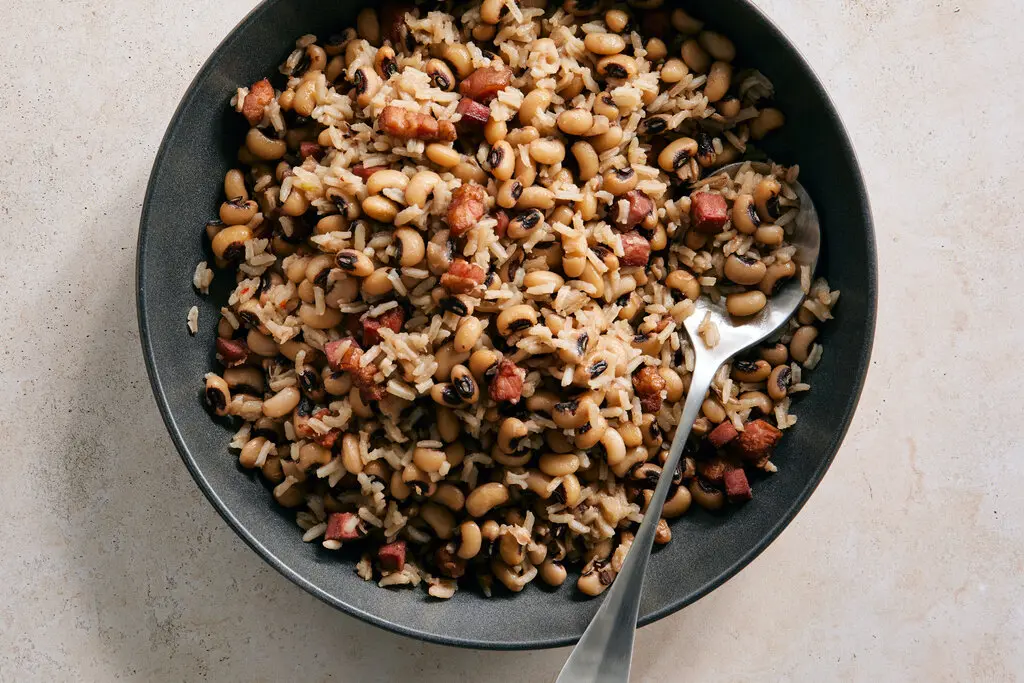
In the American South, a hearty dish called Hoppin’ John graces many tables. This classic combination of black-eyed peas, rice, and pork is thought to bring good luck and prosperity. The black-eyed peas symbolize coins, and eating them on New Year’s Eve or Day is believed to invite wealth in the coming year. A slice of cornbread and a side of collard greens, representing gold and money respectively, complete the feast. This dish is often served on New Years Day.
Osechi Ryōri – Japan
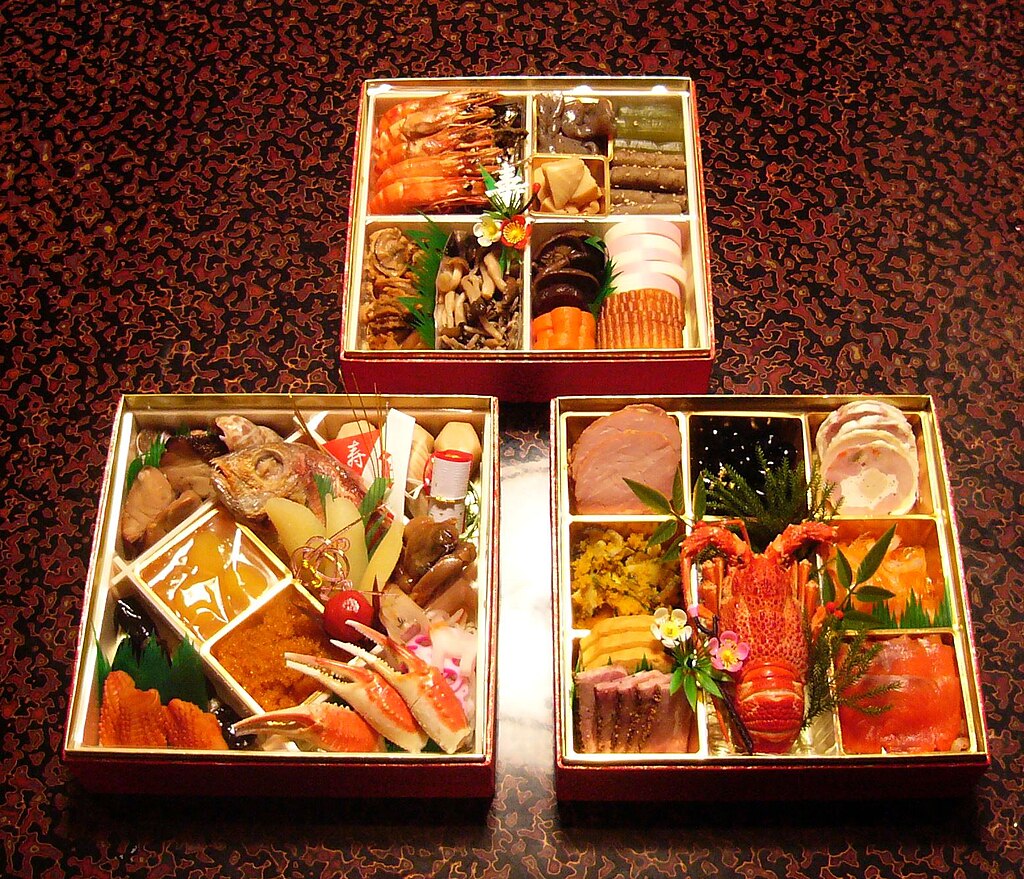
Japan’s New Year’s tradition, Osechi Ryōri, is an intricate and symbolic array of foods packed in lacquered boxes called jubako. Each item represents a wish for the year ahead. For instance, kuromame (sweet black soybeans) signify good health, kazunoko (herring roe) symbolize fertility, and kuri-kinton (sweet chestnuts and mashed sweet potatoes) represent wealth. These dishes are prepared in advance to allow families to enjoy a restful holiday.
Kransekake – Norway and Denmark
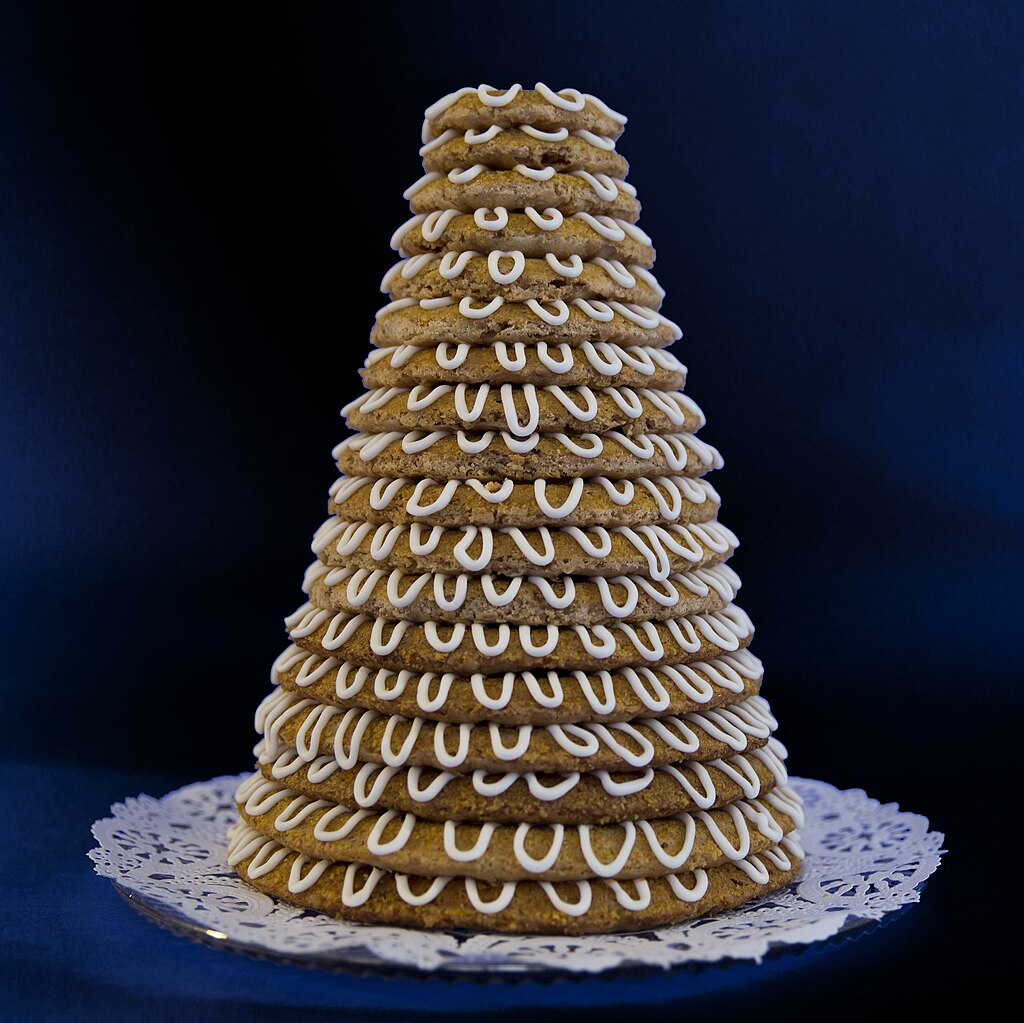
In Norway and Denmark, celebratory feasts often end with kransekake, a towering almond cake formed by stacking concentric rings. Decorated with icing and sometimes filled with small treats, this cake is as much a centerpiece as it is a dessert. It’s a symbol of unity and celebration, making it a perfect treat to ring in the new year.
Grapes of Good Luck – Spain

As the clock strikes midnight in Spain, revelers partake in a simple yet meaningful ritual: eating 12 grapes, one for each chime of the clock. This tradition, known as “Las Uvas de la Suerte,” is said to bring good fortune for each month of the upcoming year. The grapes are often paired with cava, Spain’s sparkling wine, to toast to a prosperous new year.
Pickled Herring – Poland and Scandinavia
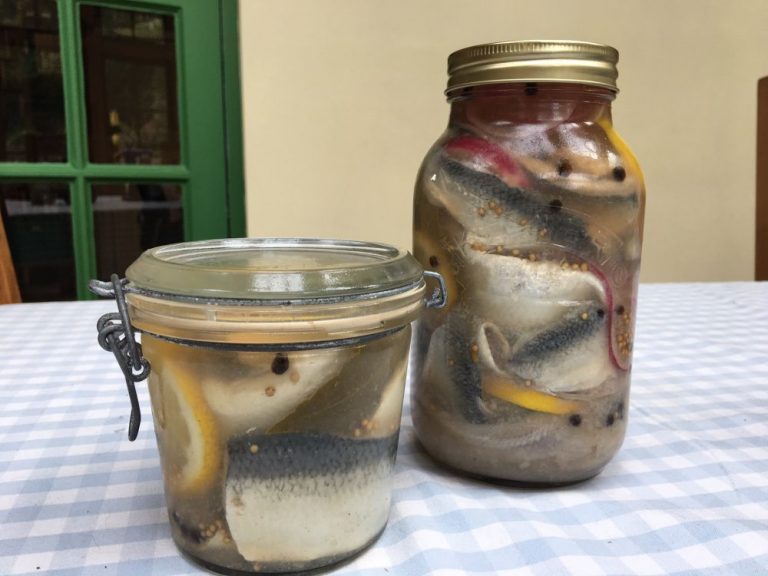
In Poland and parts of Scandinavia, pickled herring takes center stage on New Year’s Eve tables. Its silvery sheen is thought to resemble coins, symbolizing prosperity. Often served with onions and cream or on rye bread, pickled herring is a salty and tangy delight that has become a culinary omen of good fortune.
Feijoada – Brazil
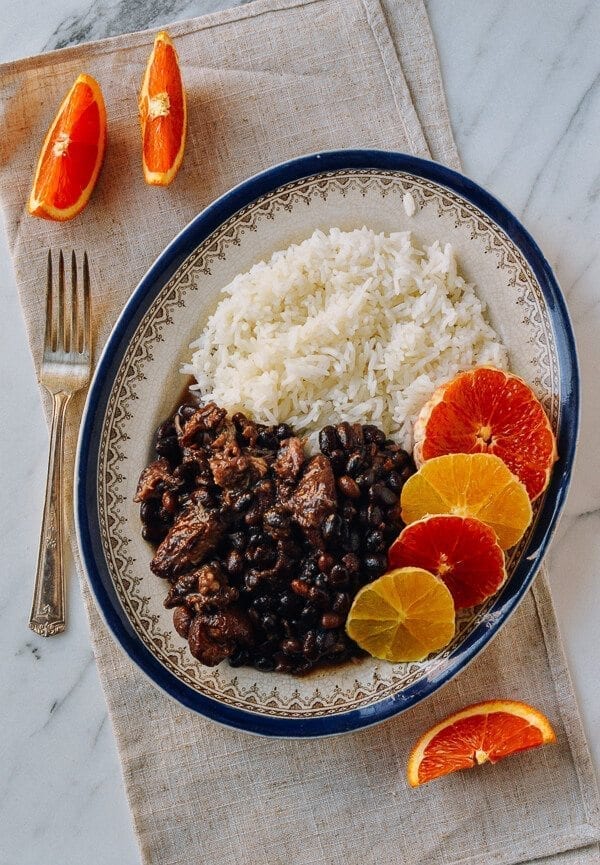
In Brazil, feijoada, a rich and savory black bean stew with pork, is a popular New Year’s dish. Often served with rice, orange slices, and farofa (toasted cassava flour), this meal is hearty and comforting. Brazilians believe that eating black beans and pork will bring good luck and abundance in the coming year.
King Cake – France
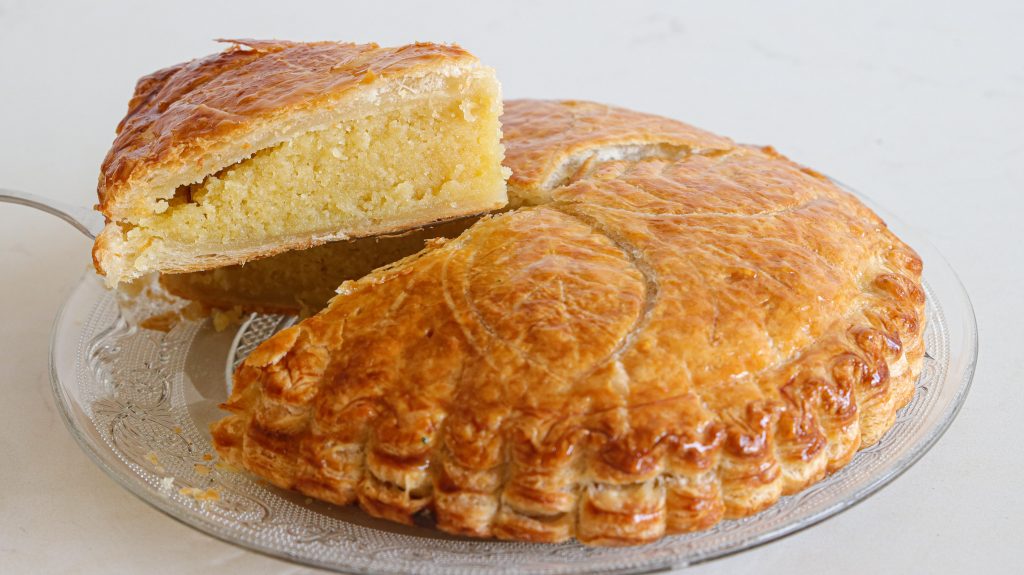
In France, the “galette des rois” or King Cake is a New Year’s and Epiphany tradition. This puff pastry dessert, filled with frangipane (almond cream), is often baked with a small trinket hidden inside. The person who finds the trinket in their slice is crowned “king” or “queen” for the day, making it a playful and delicious way to celebrate.
Lentils and Sausage – Italy
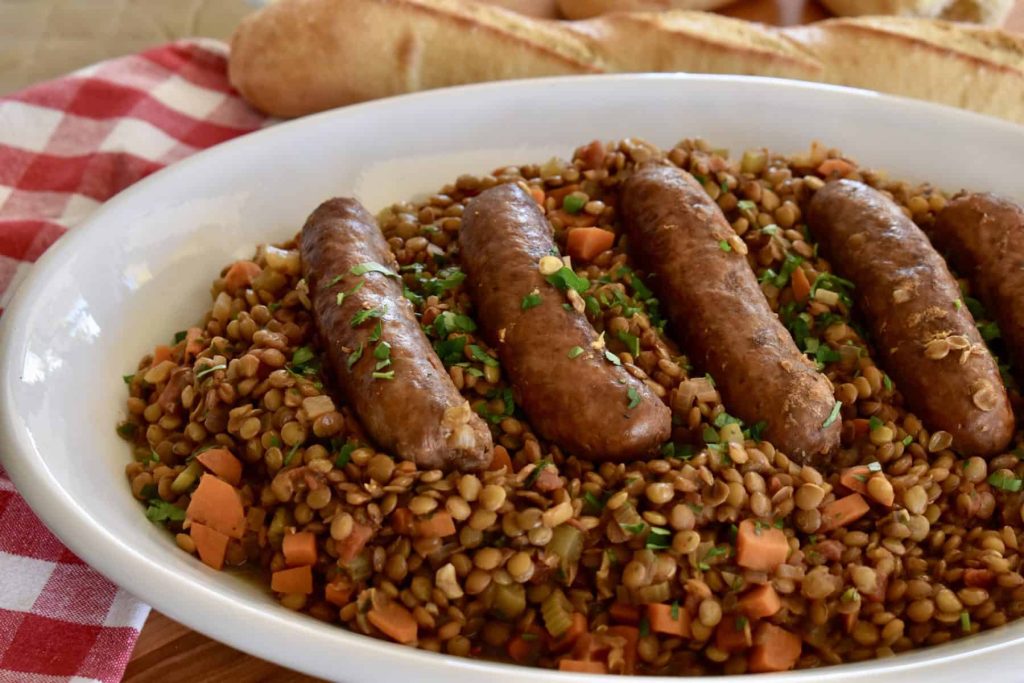
Italians welcome the new year with a meal of cotechino (spiced pork sausage) and lentils. The lentils’ coin-like shape symbolizes wealth, while the sausage represents abundance. This dish, often served with mashed potatoes or polenta, is a savory and meaningful part of Italian New Year’s Eve dinners.
Pomegranate Seeds – Greece
In Greece, pomegranates are a symbol of fertility and good fortune. As the clock strikes midnight, families often smash a pomegranate on the ground or a wall, letting the seeds scatter. The more seeds that spill out, the greater the luck in the coming year. Pomegranate seeds are also used in desserts and salads during the celebrations.
Pork and Sauerkraut – Germany
Germans and those with German heritage often enjoy pork and sauerkraut on New Year’s Eve. The pork symbolizes progress and prosperity, as pigs root forward while they eat, and the sauerkraut’s strands represent long life. This hearty and tangy combination is a comforting way to greet the new year.
Tamales – Mexico
In Mexico, tamales are a cornerstone of New Year’s feasts. These flavorful parcels of masa (corn dough) filled with meats, cheese, or vegetables and wrapped in corn husks are labor-intensive, making them a dish often prepared with family. The communal act of making tamales is a cherished tradition, symbolizing togetherness and hope for the year ahead.
Smoked Salmon and Blinis, Olivier – Russia
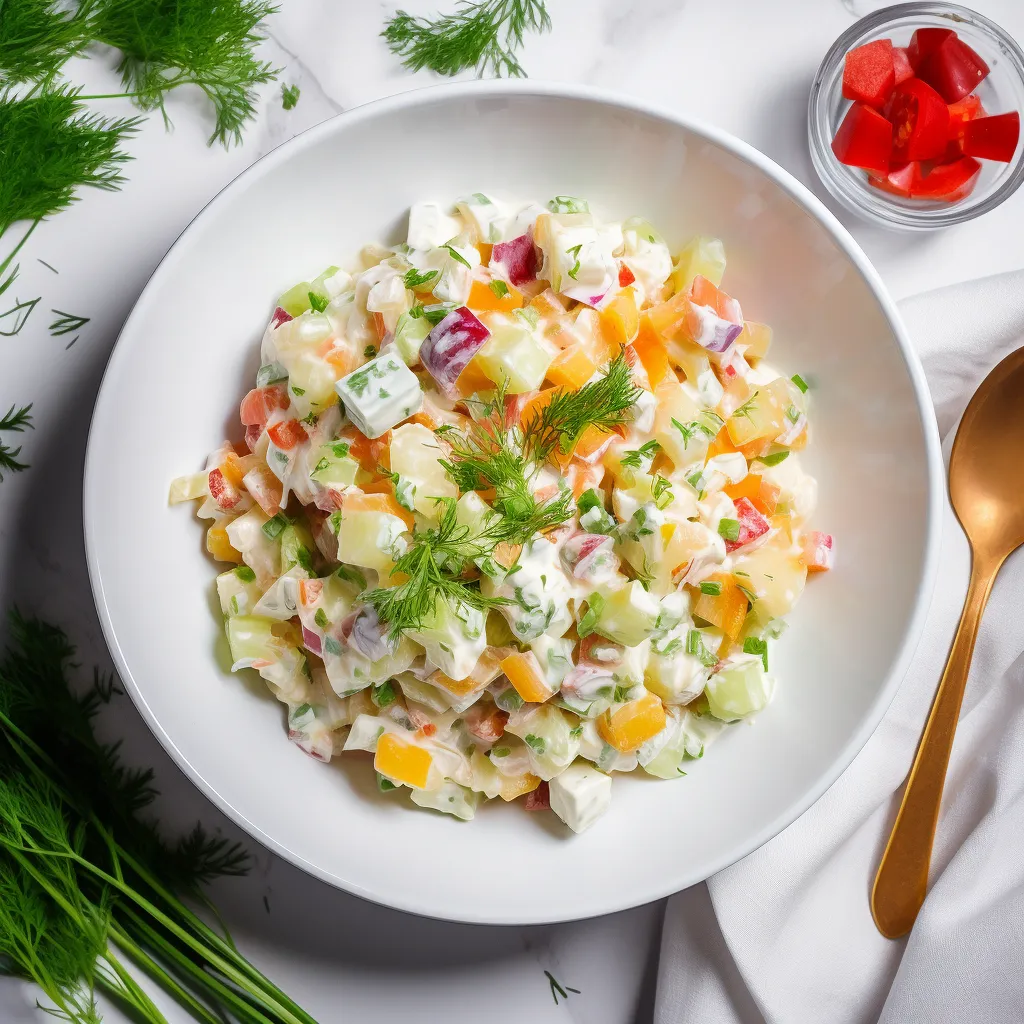
In Russia, New Year’s Eve feasts are grand affairs. Smoked salmon on blinis (small pancakes) is a common appetizer, often accompanied by sour cream and dill. This luxurious dish is part of a lavish spread that might include caviar, Olivier salad, and sparkling wine to welcome the new year in style.
Lucky Ring Cakes – Portugal and Netherlands
In Portugal and the Netherlands, ring-shaped cakes like “bolo-rei” and “oliebollen” are traditional New Year’s treats. Their circular shape signifies continuity and the cycle of life. Bolo-rei, adorned with candied fruits and nuts, and oliebollen, deep-fried dough balls dusted with powdered sugar, are festive delights enjoyed by all.
Banitsa – Bulgaria
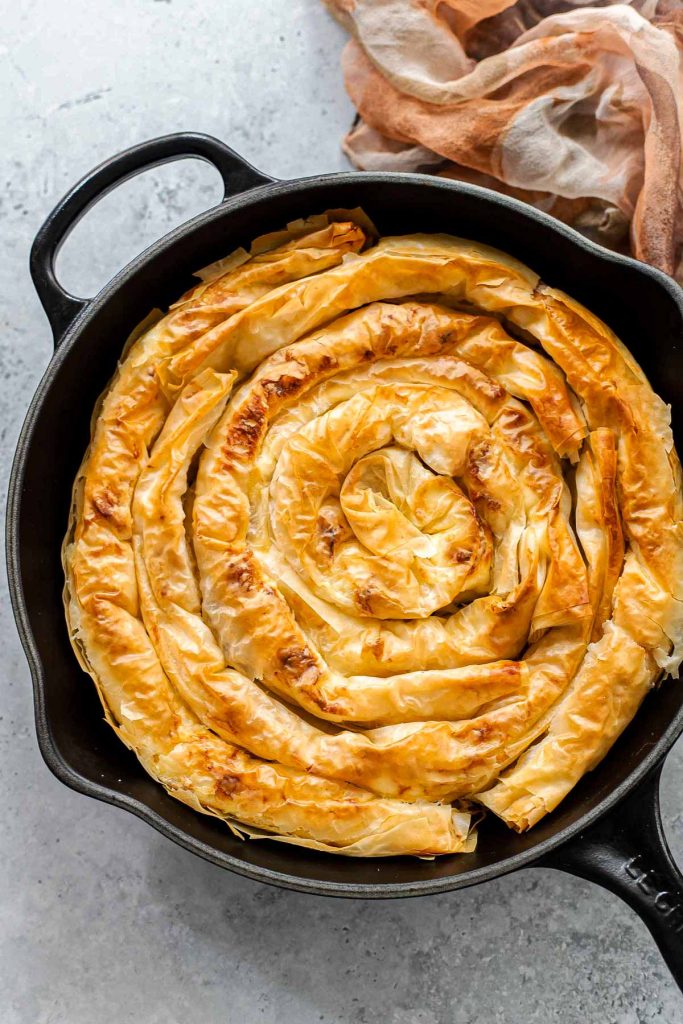
Bulgarians celebrate with banitsa, a savory pastry made of layers of filo dough filled with cheese and sometimes spinach or leeks. A unique aspect of the New Year’s banitsa is the inclusion of charms or written fortunes baked into the layers, predicting health, love, or prosperity for those who find them in their slice.
Conclusion
New Year’s Eve is a time of joy and reflection, and these global culinary traditions remind us of the universal desire for good fortune, health, and happiness. Whether it’s the savory comfort of feijoada, the sweetness of kransekake, or the simplicity of grapes at midnight, each dish tells a story of hope and renewal. As you plan your own celebration, consider incorporating one of these dishes into your menu—a delicious way to start the new year with a taste of the world.