Vatrushki: Creamy Slavic Pastries

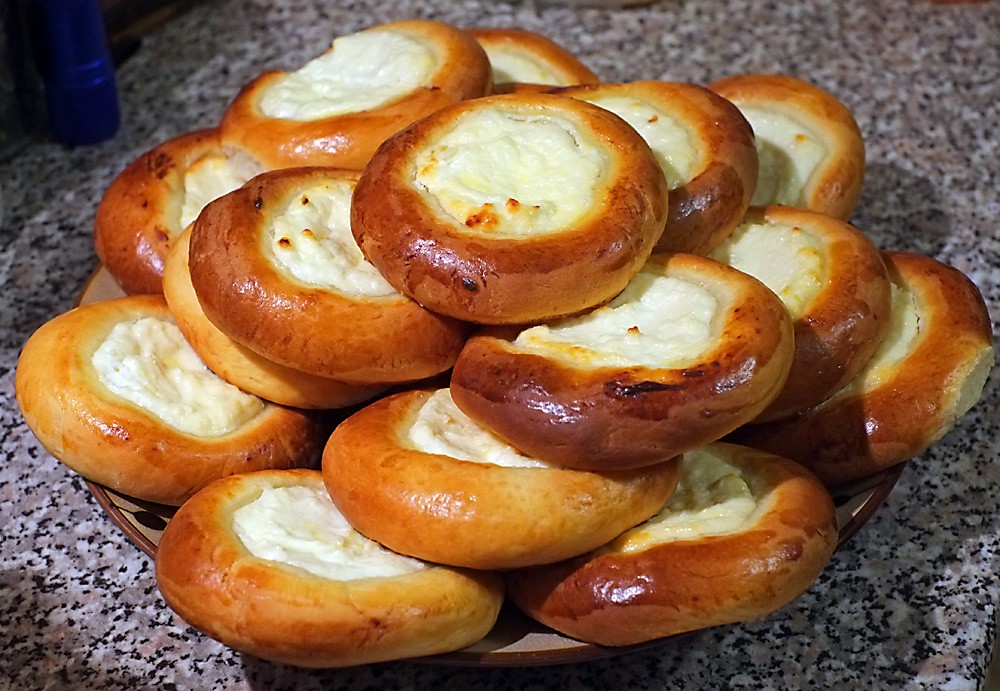
Vatrushki might seem like simple pastries—soft dough, a creamy filling of sweet or savory cheese—but their history is anything but simple. Beneath their comforting appearance lies a rich story that connects myths, culinary ingenuity, and Russian cultural heritage. These pastries don’t just belong to the kitchen—they’ve earned their place at the heart of Russian history.
The word “vatrushka” sparks plenty of debate among food historians. The most popular theory links it to “vatra”, an old Slavic word for “hearth” or “fire.”
In ancient Slavic households, the hearth wasn’t just a source of warmth—it symbolized safety, family, and tradition. Vatrushki, with their warm, golden appearance, were a fitting tribute to that sacred place. Similar words pop up in Ukrainian, Serbian, and other Slavic languages, hinting at their ancient roots.
Curiously, the term vatrushka doesn’t show up in early Russian texts like Domostroi—a 16th-century guide filled with household rules and recipes. Yet by the 18th century, the word becomes common, possibly as Russian influence spread to regions like Crimea and Moldova, where vatra-related words were already familiar. But long before they had a name, vatrushki—or at least their cheese-filled ancestors—were already baking in ovens across Russia.
Though the name vatrushka may have caught on later, the concept of dough cradling a filling is ancient and widespread. Each Russian region made it their own:
- Shanezhki (Arkhangelsk) – Pies filled with cottage cheese, potatoes, or berries.
- Kuleika (Kostroma) – A crescent-shaped pastry stuffed with cheese.
- Mandryka (Voronezh) – Dough rings filled with cheese, shaped like donuts.
- Kalitki (Northwest Russia) – Pastries made of rye dough and filled with porridge or mushrooms.
- Perepechi (Udmurtia) – Dough cups baked with egg, sour cream, or mushroom fillings.
Despite their differences, all these treats share one key trait: simple, hearty ingredients transformed into something greater. Eventually, the vatrushka’s round shape, easy preparation, and universal appeal helped it become the pastry that stood out.
Why are vatrushki round? Some historians believe the shape is no coincidence—it may be a holdover from pre-Christian sun-worship traditions. In pagan times, sun-shaped pastries were offered during solstice festivals to Yarilo, the Slavic sun god. The pastry represented warmth, protection, and the life-giving force of the sun.
Even after Russia adopted Christianity, these old symbols stuck around. Large communal vatrushki became staples during celebrations like Maslenitsa, the festival that marks the end of winter. Over the centuries, vatrushki retained their reputation as the ultimate comfort food—a symbol of home and hospitality.
What’s Inside: The Evolution of Fillings
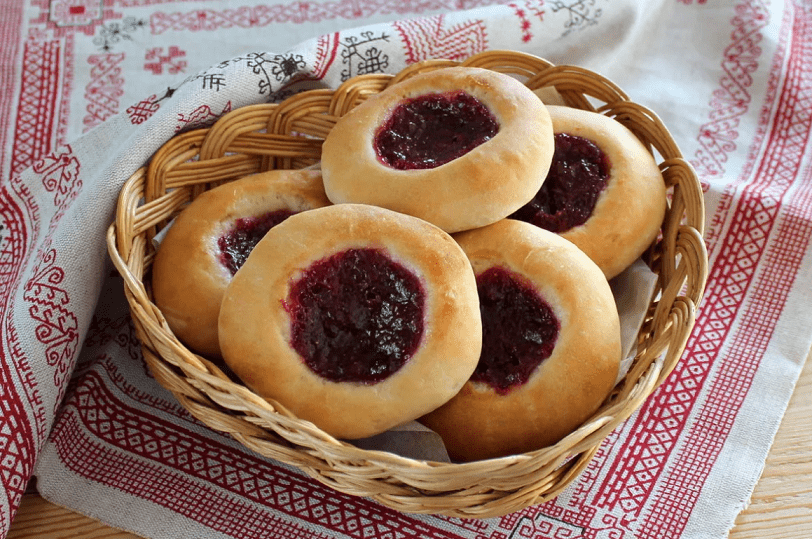
The earliest vatrushki fillings depended on what people had on hand. Sweet versions often featured soft farmer’s cheese mixed with sugar. In Siberia, shanezhki were stuffed with mashed potatoes, pea porridge, or sour cream. In Central Russia, people favored fruit preserves or jam. It was cottage cheese—referred to as syr until the 19th century, when tvorog became the norm—that gave vatrushki their signature filling.\
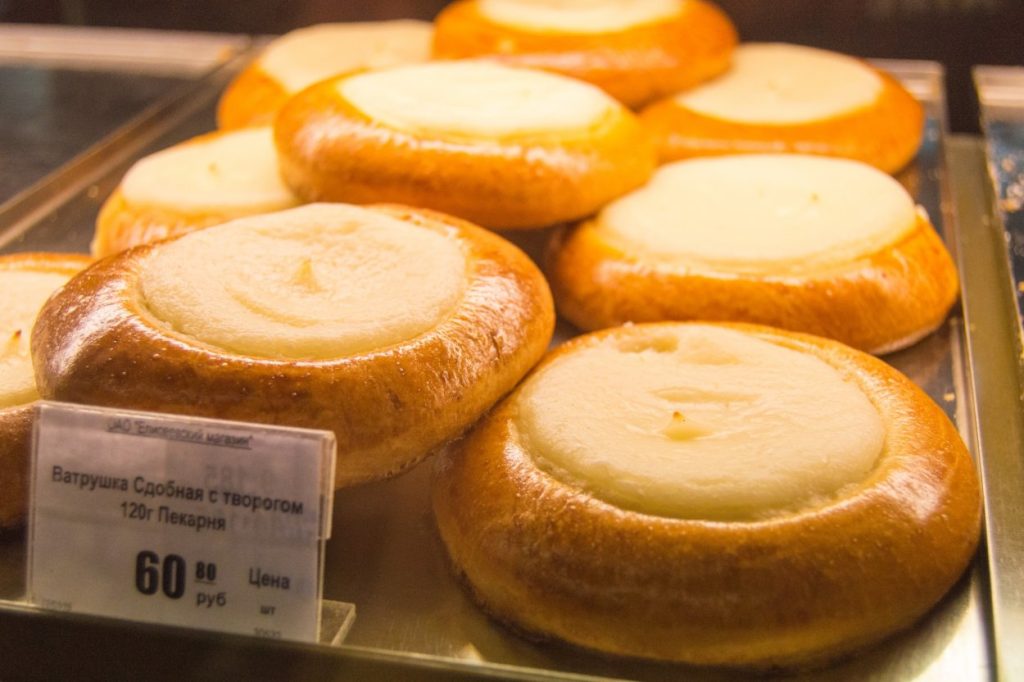
By the time the Industrial Revolution swept across Russia in the 19th century, vatrushki had migrated from rural kitchens to city bakeries. Famous bakeries like Filippov in Moscow even introduced creative twists, like square-shaped pastries filled with jam instead of cheese. As people moved to cities, regional pastry names like kokurka and mandryka fell out of use, and vatrushka became the go-to term for cheese-filled pastries.
Vatrushki in Literature and Culture
Russian literature immortalized the vatrushka as a symbol of home and comfort. Writers like Nikolai Gogol—who famously loved food—referenced pastries in their stories. Amusingly, Gogol misspelled vatrushka as “votrushka” and believed it came from the word teret’ (“to rub”), because he thought the cheese had to be mixed vigorously. This linguistic mishap shows how vatrushki were beloved even when their origins were misunderstood.
A Modern Revival
Today, vatrushki remain as popular as ever. Some bakers stick to tradition, while others experiment with puff pastry or fillings like chocolate and lemon curd. In Poland, pastries like sernik Krakowski (a type of cheesecake) bear a striking resemblance to large, rich vatrushki. In Hungary, turos taska (literally “cheese pouch”) folds dough over the cheese filling like a bundle. The family resemblance among these pastries across Eastern Europe is undeniable.\
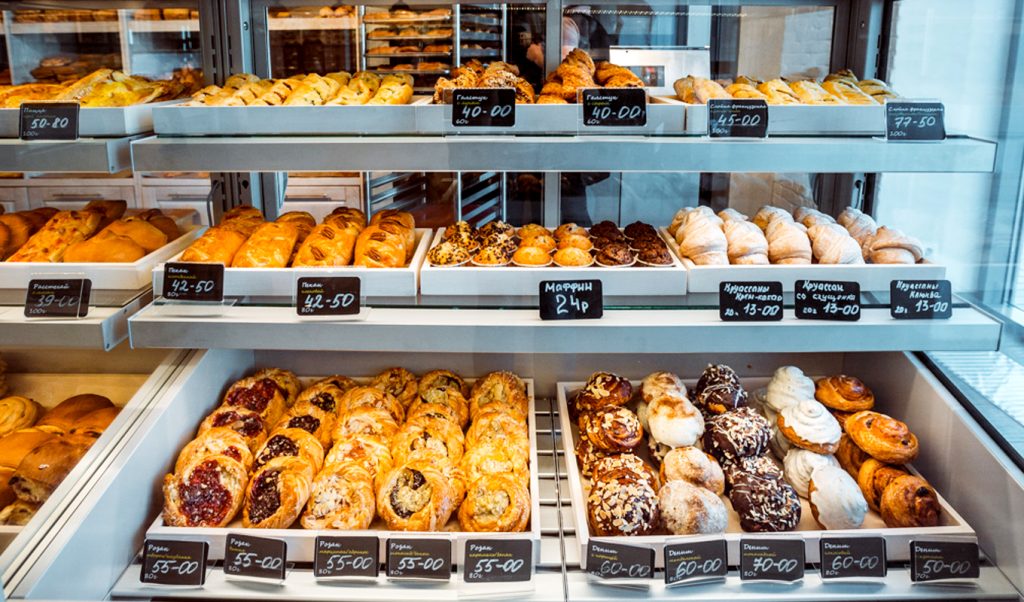
As interest in traditional foods grows, vatrushki and their regional relatives have made a comeback. Food festivals, cooking workshops, and blogs are filled with recipes for everything from Siberian shanezhki to Udmurt perepechi. This renewed attention helps remind people that these pastries aren’t just snacks—they’re edible links to the past.
A Traditional Sweet Vatrushka Recipe
For anyone craving that nostalgic taste of home, here’s a recipe for classic sweet vatrushki:
Ingredients for the Dough
- 2 cups wheat flour
- 25 g fresh yeast (or 7 g dry yeast)
- 2 tbsp butter
- 1 egg
- 1/3 cup milk
- 2 tbsp water
- 1 tbsp sugar
Filling
- 500 g cottage cheese
- 1 egg
- 1 tbsp butter
- 3 tsp sugar
- A pinch of salt
For Brushing
- 1 egg yolk
- 2 tsp melted butter
Instructions
Fill and Bake: Spoon the cheese mixture into each circle. Brush the edges with the egg yolk and butter mixture. Bake at 180°C (350°F) for 15–25 minutes until golden brown.
Make the Dough: Dissolve yeast in warm water with a pinch of sugar and let it sit until frothy (about 15 minutes). Mix the flour, milk, egg, and melted butter in a bowl. Add the yeast mixture and knead until smooth. Let the dough rise for an hour.
Prepare the Filling: Mix the cottage cheese, egg, butter, sugar, and salt until creamy.
Shape the Pastries: Roll out the dough to ½ cm thick and cut circles using a glass. Press down in the center to create a small well for the filling.